Year: 2026

Home / 2026
Event Video Production: What to Capture Beyond the Main Stage

Event Video Production: What to Capture Beyond the Main Stage

The keynote may be the headline, but it is rarely the whole story.

For corporate conferences, the strongest footage often comes from the moments around the agenda, a quick conversation outside a session, a busy sponsor booth, or the room filling up before the first speaker goes on.

These are the shots that help people understand what the event felt like, not just what was presented.

That is where a great coverage plan comes in. Before the cameras roll, your team should know what moments need to be captured, how the footage will be used, and which details will help turn one event into a full content library.

Whether you are creating an event recap video, social media edits, internal communications, sponsor content, or future marketing assets, the right shot list gives your footage a much longer shelf life.

Why Main Stage Coverage Is Only One Part of the Story

Most event videos need more than documentation. They need context.

The audience reactions show energy. The networking moments show connection. The sponsor activity shows engagement. The branded spaces show scale and polish. Together, those details make the final edit feel more alive and more useful.

When you capture both, the content becomes far more valuable. You have the sessions and speaker moments, along with the context that brings them to life. That combination is what gives your team content you can use again and again.

What to Capture Beyond the Main Stage

A great event video production plan should include the moments that show scale, credibility, connection, and momentum.

Here are the key areas to build into your shot list.

  1. Attendee Reactions

Capture people listening, laughing, applauding, taking notes, asking questions, and reacting to speakers. These shots help show that the event was active, well-attended, and meaningful to the people in the room.

This type of footage works especially well for:

  • Event recap videos
  • Social media clips
  • Event promotion
  • Sponsor reports
  • Internal stakeholder updates

The goal is not to overdo it or make reactions feel staged. The best footage feels natural. It gives the viewer a sense of being in the room.

  1. Networking Moments

Some of the strongest conference footage happens between sessions.

Hallway conversations, coffee breaks, casual introductions, roundtable discussions, and evening receptions all help communicate the community value of the event. For many attendees, networking is one of the main reasons they attend in person.

Capture:

  • Small group conversations
  • Attendees exchanging introductions
  • People walking through the venue
  • Coffee break interactions
  • Reception moments
  • Expo floor conversations
  • Post-session discussions

These shots are especially useful when your event is designed to bring together customers, partners, executives, or industry peers. 

  1. Speaker and Attendee Interviews

Short interviews can turn a standard event video into a stronger story. Interview clips allow the value of the event to come directly from the people who experienced it, which tends to feel more credible and useful in marketing. 

Strong interview targets include:

  • Keynote speakers
  • Panelists
  • Attendees
  • Executives
  • Customers or partners

Keep the questions simple. The best answers often come from short, direct prompts like:

  • What brought you to this event?
  • What has been the most valuable takeaway so far?
  • What surprised you today?
  • Why is this topic important right now?
  • What would you tell someone considering attending next year?
  • How does this event support your team or industry?

You don’t need long sit-downs. A handful of clear, honest responses gives your final video perspective and your audience a reason to trust what they’re seeing. 

For most events, 3 to 5 short interviews can provide the edit with enough variety without slowing the schedule.

  1. Sponsor Booths and Live Demos

If sponsors are part of the event experience, capture their booths, live demos, signage, branded displays, product interactions, and conversations with attendees. This footage can support recap videos, sponsor thank-you content, post-event reporting, and future sponsorship sales.

This is also where planning makes the difference. If a sponsor has specific deliverables, the production team should know before the shoot. That allows the crew to capture what is needed without missing key moments or disrupting the event flow.

  1. Venue Details and Branded Environments

Capture the details that make the space feel specific, polished, and intentional. This includes signage, registration areas, step-and-repeat walls, stage design, lighting, sponsor displays, room setups, branded screens, and environmental graphics.

These shots are often used as transitions in the edit. They help connect scenes and give the final video a stronger sense of place.

For global conferences and multi-city events, this footage is especially important. It helps each location feel connected to the larger brand experience while still showing the personality of the local setting.

  1. Behind-the-Scenes Preparation

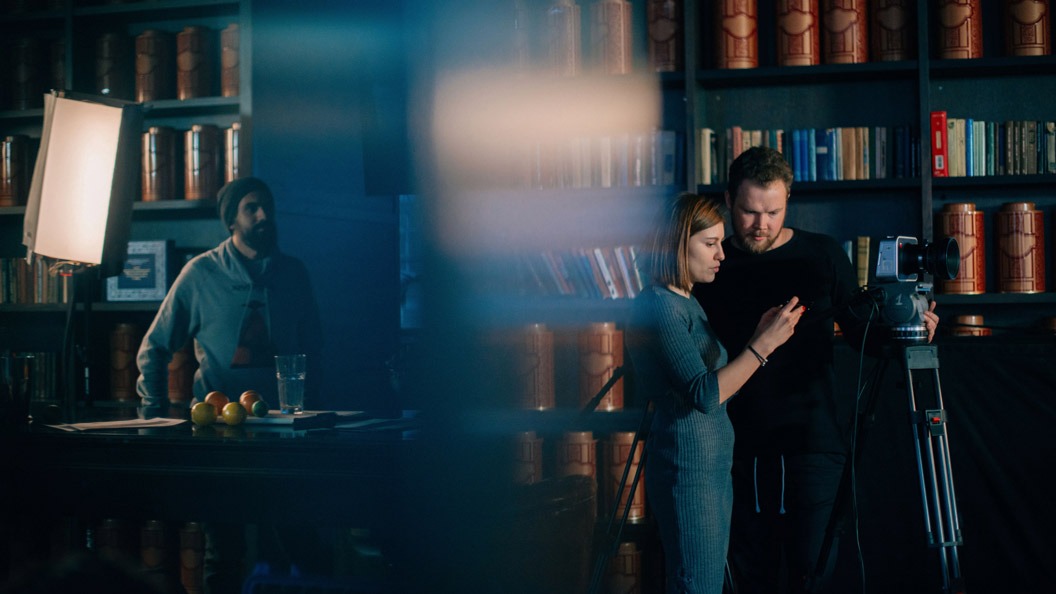
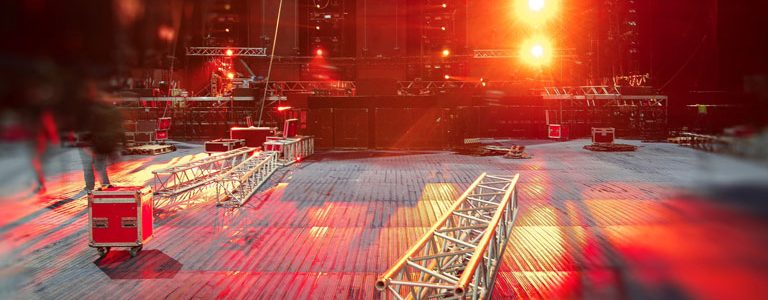
When captured intentionally, behind-the-scenes footage can be valuable when used with the right tone. This might include setup, crew coordination, rehearsals, production checks, stage preparation, installation, or the team getting ready before doors open.

These moments work well for:

  • Teaser videos
  • Internal communications
  • Recruitment content
  • Brand storytelling
  • Event wrap-up posts
  • “Making of” content

 The key is to capture behind-the-scenes footage with intention. Focus on details that communicate preparation, scale, teamwork, and the effort behind the final experience.


  1. Transitional B-Roll

B-roll is what makes the edit feel connected. Without it, a conference video can quickly become a string of disconnected speaker clips. Good b-roll helps create rhythm, movement, and context. 

B-roll to capture includes: 

  • Event entrances 
  • Registration check-in 
  • Badges and lanyards 
  • Signage 
  • People walking through the venue 
  • Hands taking notes 
  • Applause 
  • Wide crowd shots 
  • Breakout room activity 
  • Room transitions 
  • Close-ups of event materials 
  • Exterior venue shots 

This footage gives editors the flexibility to build a more polished recap, create shorter social cuts, and make the final piece feel complete.


  1. Time-Lapse and Movement Shots

Time-lapse footage can add energy and perspective to a conference video. 

Consider filming the room filling up, exhibit traffic, stage changes, registration flow, or people moving through a central event space. These shots are especially useful for showing scale and momentum in a short amount of time. 

They also help break up the pacing of a recap video, especially when paired with music, title cards, or speaker sound bites. 


A Practical Shot List for Event Video Production 

If your team needs a simple starting point, here is a practical shot list for corporate conference coverage: 

  • Venue exterior and arrival shots 
  • Registration and check-in 
  • Branded signage and event materials 
  • Main stage wide shots 
  • Speaker close-ups 
  • Audience reactions 
  • Applause and Q&A 
  • Breakout rooms 
  • Networking moments 
  • Sponsor booths or on-site experiences 
  • Expo floor activity 
  • 3 to 5 short interviews 
  • Behind-the-scenes setup 
  • Closing reception or after-hours moments 
  • Detail shots for transitions 

This type of shot list gives your team enough coverage to create a strong event recap video, social media edits, and future promotional assets. 


Local Crew Support for Global Conferences
 

When conferences span multiple cities, countries, or regions, production consistency becomes a real challenge. 

Bringing the same crew everywhere isn’t always realistic, or relying on different local teams without a clear plan can lead to uneven footage, mixed styles, and extra coordination on your side. The goal is to get the advantages of local crews without losing control of the final result. 

That is where a production partner with global reach becomes valuable. 

At Global Media Desk, we work by pairing you with vetted, on-the-ground teams with a centralized production lead. You get crews who understand the location, the venue, and the logistics, while still shooting to a consistent brief. 

For corporate event teams, that usually means: 

  • Faster crew sourcing 
  • Local permitting and logistics 
  • Regional production knowledge 
  • Better communication on the ground 
  • More consistent footage across locations 
  • Reduced travel pressure 
  • Stronger support before, during, and after the shoot 

When it’s set up right, you’re not choosing between local access and consistency—you’re getting both. 


What This Means for Your Event Video
 

Start planning your video coverage as early as you plan the event itself. Focus on the moments people respond to: interactions, reactions, interviews, and everything happening between sessions. That’s what turns a single event into content your team can keep using. 

Global Media Desk works with corporate teams to plan and capture event coverage across locations, using vetted local crews and a consistent production approach.  

Planning an upcoming event? Let’s Film. 
Avoiding Scope Creep in Event Recap Video Production

Avoiding Scope Creep in Event Recap Video Production

A practical guide for marketing teams and in‑house video producers

Event recap videos are often treated as quick wins: capture the energy, highlight key moments, and publish fast while the event is still fresh.

In practice, they are one of the most common places where scope creep appears. Fast timelines, excited stakeholders, and real-time idea generation can quickly expand the project beyond its original intent.

The solution is simple: define and lock the scope before production begins. This ensures the final video delivers impact without delays or overextended resources.

event recap videos, video production, global productions, creative development

Define the Recap Before the Event Starts

Scope creep usually starts when the recap is loosely defined. One person thinks it is a social highlight reel. Another expects speaker sound bites. Someone else wants a polished brand story.

Before production, align on:

  • The purpose of the recap video
  • The intended audience
  • Where the video will be used
  • The target length and style

When everyone shares the same definition of the recap, it becomes much easier to make smart decisions on site and in the edit.

What to Lock Before Production

1. The Goal

Be specific about the primary objective.

Examples:

  • Promote the event brand
  • Highlight keynote speakers
  • Create a social-first recap
  • Support internal communications

A video built for social media will differ from one built for sales or web use.

2. The Deliverables

Document exactly what your team wants produced.

This could include:

  • One main event recap video
  • Optional cutdowns for social
  • Captions or subtitles
  • Stills from video footage

If something is not listed, it is not assumed. That clarity protects both the marketing team and the production crew.

3. The Review Process

Event recaps often move fast, which makes feedback discipline even more important.

Define for optimal outcomes:

  • Who provides consolidated feedback
  • Who owns final approval
  • Number of revision rounds

Unstructured feedback is a common source of silent scope creep in post-production.

4. The Boundaries

This is where most scope issues are prevented.

Call out what is not included unless planned in advance, such as:

  • Additional interviews
  • Drone footage
  • Extra aspect ratio versions
  • Teaser or secondary videos

Clear boundaries create realistic expectations, not creative limits.

Managing Change Without Slowing Production

Event environments naturally generate new ideas. The key is managing them without quietly expanding the project. When someone asks for “just one more thing,” pause and ask one question:

Does this change the agreed deliverable?

If yes:

  • Document the request
  • Explain tradeoffs (time, cost, scope)
  • Decide whether to add, replace, or defer

This protects timelines while allowing flexibility.

Event Recap Scope Creep (Example)

Imagine the team agrees to:

  • One 90‑second event recap
  • Keynote highlights
  • Crowd and atmosphere shots
  • One revision round

Midway through editing, an additional request comes in:

  • On‑camera interviews
  • Three social cutdowns
  • Subtitles
  • A teaser video

These requests add value, but also complexity. Instead of folding them into the existing scope, they should become a new scope item or a phase two deliverable. This keeps the original recap on track and avoids overloading the edit timeline.

A Simple Rule That Prevents Scope Creep

A useful internal rule for event recap video production is: If the request changes the original promise, it needs a new decision.

That one habit prevents most scope creep and removes emotion from the conversation. It also helps marketing teams prioritize what truly needs to launch first.

Best Practice for In‑House Teams

Maintain a visible, shared scope document that stays accessible throughout production. When everyone can point to the same reference, it becomes easier to say: “Yes, we can do that in the next version.”

That approach keeps event recap videos focused, approvals smoother, and delivery timelines realistic.

Final Takeaway

Event recap videos work best when they feel intentional, not overstuffed. Clear scope allows the story of the event to shine without distractions or delays. For marketing teams producing content at scale, scope discipline is not about saying no. It is about delivering better video, faster, with less friction across the team.

That is how strong event content stays both creative and controlled.


Planning an event recap?

A clear scope is only one part of a smooth production. From pre-production to final edit, having one coordinated workflow makes the difference.

Start a conversation about your next event recap → Let’s Talk

When Travel Costs Rise, Video Production Doesn’t Stop. It Adapts.

When Travel Costs Rise, Video Production Doesn’t Stop. It Adapts.

If you’ve been in production lately, this moment probably feels familiar.

The concept is strong, the team is aligned, and everyone can see how the final piece comes together. Then the budget comes back, and the impact of rising travel and fuel costs starts to show.

Flights cost more than expected. Crew travel expenses add up fast. Equipment logistics become pricier and harder to manage. What started as a smooth plan begins to feel more complicated than it should.

And for a moment, the conversation shifts from the creative to something more practical.

Do we really need to send a full team for this? No.

Can we do this remotely? Yes.

Global video production using local crews, Multi‑location video production

The Reality Teams Are Navigating Right Now

Marketing teams are producing more video than ever. Leadership content, product launches, event coverage, customer stories. None of that has slowed down. If anything, expectations have increased.

And the old model, flying a full team from one location to another, begins to feel burdensome. Not just financially, but operationally. Teams are pausing and asking if it is the only way to get what they need. Because in a lot of these scenarios, you are not just capturing visuals. You are capturing something that cannot be recreated later nor substituted with stock images or AI-generated assets.

A keynote that happens once.
A conversation with a client that is unscripted.
An executive speaking in their own environment, in their own voice.

Those are not things you can reshoot easily. And they are not things you can generate.

Why Not “Just Use AI?” It’s Not That Simple.

There’s been a lot of noise around AI-generated video. And yes, it has its place. For certain use cases, it’s efficient. But when it comes to brand storytelling, leadership messaging, or anything where trust and tone need to land correctly, it still feels different. You can feel (and tell) the difference.

The way someone speaks on camera, the details in a space, the subtle things that are hard to recreate. Those are the pieces brands rely on when they are trying to connect, not just communicate.

So most teams are not looking to replace production with generated content. They are trying to figure out how to keep producing at a high level without letting logistics get in the way.

Embracing The Shift

Instead of asking where a team needs to travel, more productions are being built around where the story already exists.

Your customer is in Berlin. The leadership team is in New York. The product team is in Singapore. You know where you need to get the footage. The question becomes how to capture it in a way that still feels unified.

This is not a new concept, but it is being approached differently now.

Working with local crews at each location removes much of the travel burden. What makes the difference is everything around that. Creative direction, production oversight, and post-production need to stay connected; otherwise, the final piece starts to feel fragmented.

That is usually where things fall apart.

The Missing Piece Isn’t Crews. It’s Coordination.

Finding a camera operator in another city is not difficult. What is difficult is making sure that footage from three different countries looks like it belongs in the same story.

Same style. Same pacing. Same level of detail.

That takes planning before the shoot even starts, and a level of production management that carries through every location. It also changes how teams think about time.

Instead of building a schedule around travel, build it around access. Multiple locations can be filmed within the same window without waiting for crews to move between them. That offers greater flexibility, especially for campaigns that need to move quickly or adjust messaging along the way.

From a budget perspective, the impact is just as clear. When travel is reduced, that investment can be redirected into the production itself. Higher-caliber local crews, more shoot days, and post-production that extends the life of the footage across multiple formats and campaigns.

So instead of stitching together separate shoots, the end result feels intentional. Like it was always meant to be one piece.

Travel-Free Production—The Sustainable Approach to Video Production

Production has never been a small footprint activity, especially when it relies on constant travel. Reducing that layer is one of the more direct ways companies can bring their production approach closer to broader sustainability goals without needing to rethink everything from the ground up.

What stands out is that when this is done well, it does not feel like a compromise. It feels more intentional.

That is where experience starts to show up in a meaningful way. Coordinating multi-location shoots, aligning creative across teams, managing timelines across time zones, and bringing everything together in post so it feels cohesive. That is the difference between a collection of footage and a finished piece that actually works.

At Global Media Desk, that has been the focus from the beginning. Not just placing crews, but building a production model that supports how brands are actually operating. Producers who understand how to run shoots across regions. Crews who meet a consistent standard. Editing that pulls everything into one clear direction.

So the final result does not feel pieced together. It feels like it was always meant to be one production.

The bigger shift here is not about removing travel entirely. It is about removing the dependency on it. Because the need for strong, high-quality video is not going anywhere. If anything, it is becoming more central to how brands communicate.

The difference now is that production no longer has to follow the same path it always has.

Let’s talk about how to capture footage anywhere without sending teams everywhere.